


Why Choose MiSEPS Physician?
Your vision deserves more than a prescription; it deserves medical expertise.
When it comes to protecting your sight, who you trust matters. A MiSEPS Physician is a medical doctor — an ophthalmologist — trained to provide the full spectrum of eye care, from routine exams to complex surgeries. Unlike optometrists or opticians, Eye M.D.s are physicians first, with years of specialized training in diagnosing and treating eye diseases.
Did you know:
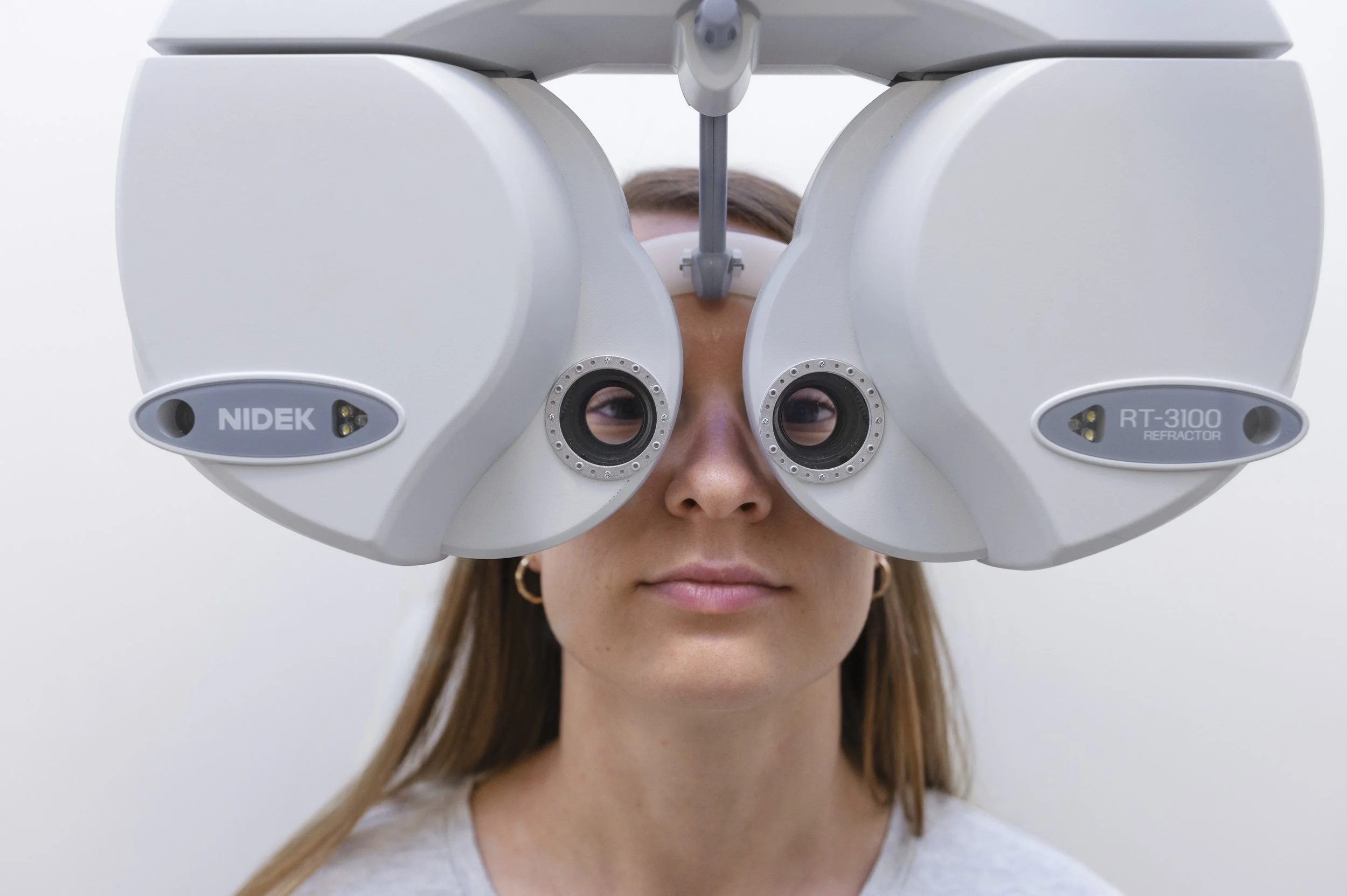
Ophthalmic Technicians help ophthalmologists collect data and measurements to allow the correct diagnosis and treatment of eye diseases and problems. Their duties often include performing simple eye exams, assisting with eye surgery, and explaining diagnostic and treatment procedures to patients.

Only ophthalmologists are MISEPS medical doctors.
These are the eye care professionals who have completed four years of undergraduate education then four years of medical school education, followed by at least threes of medical residency ophthalmology and eye surgery education and in many cases one to two year ophthalmology fellowship in specialized ophthalmology training.

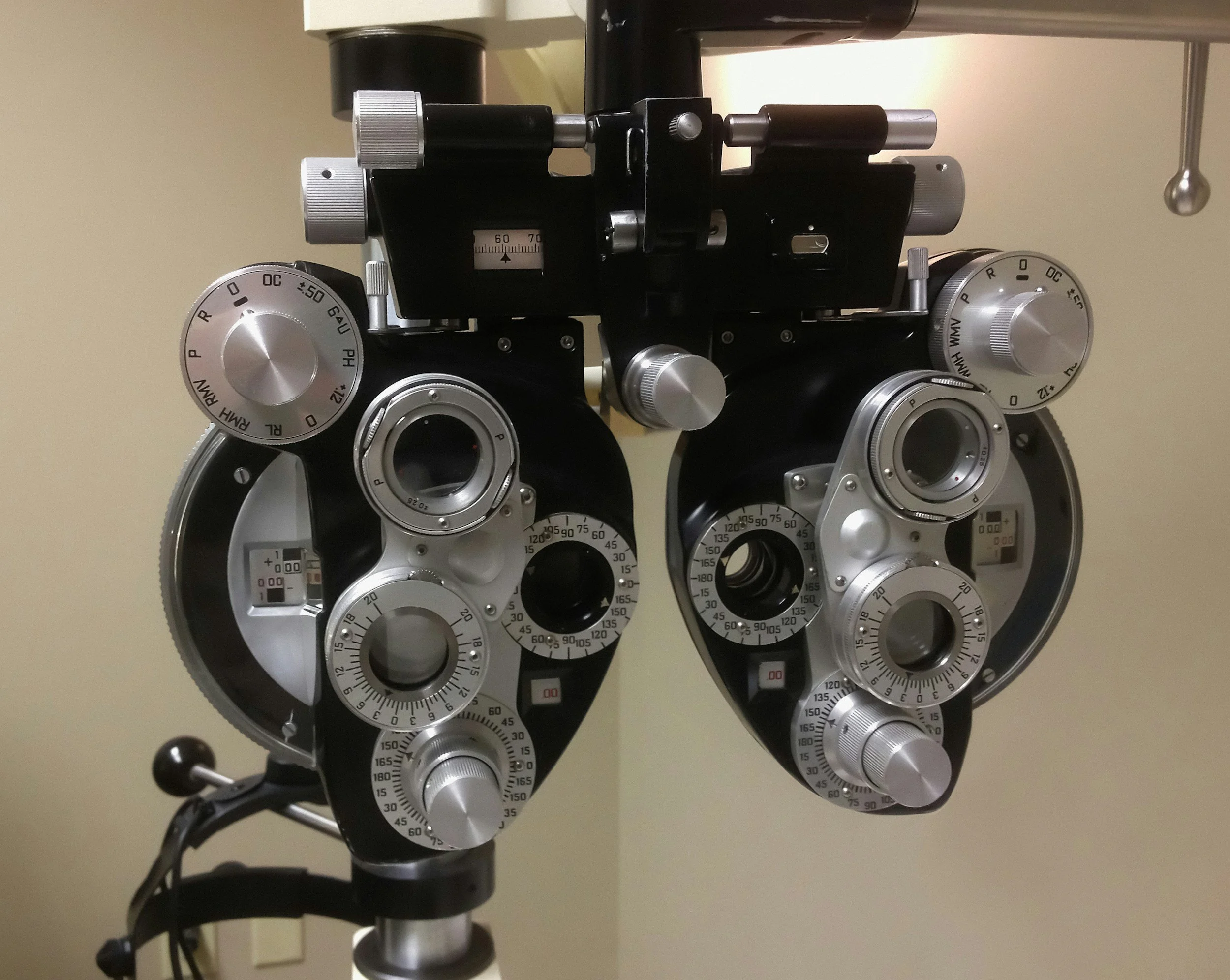
Ophthalmologist
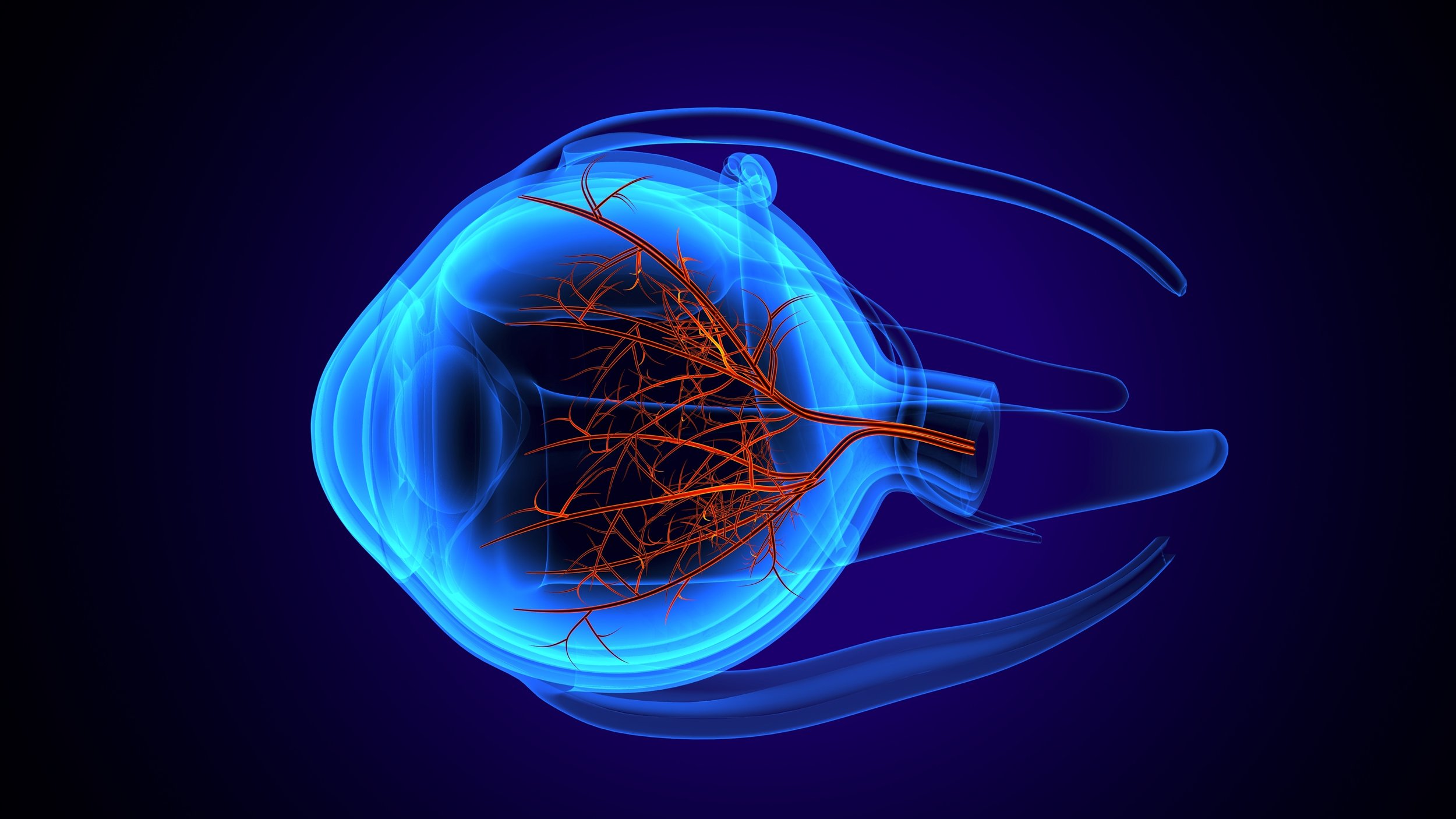
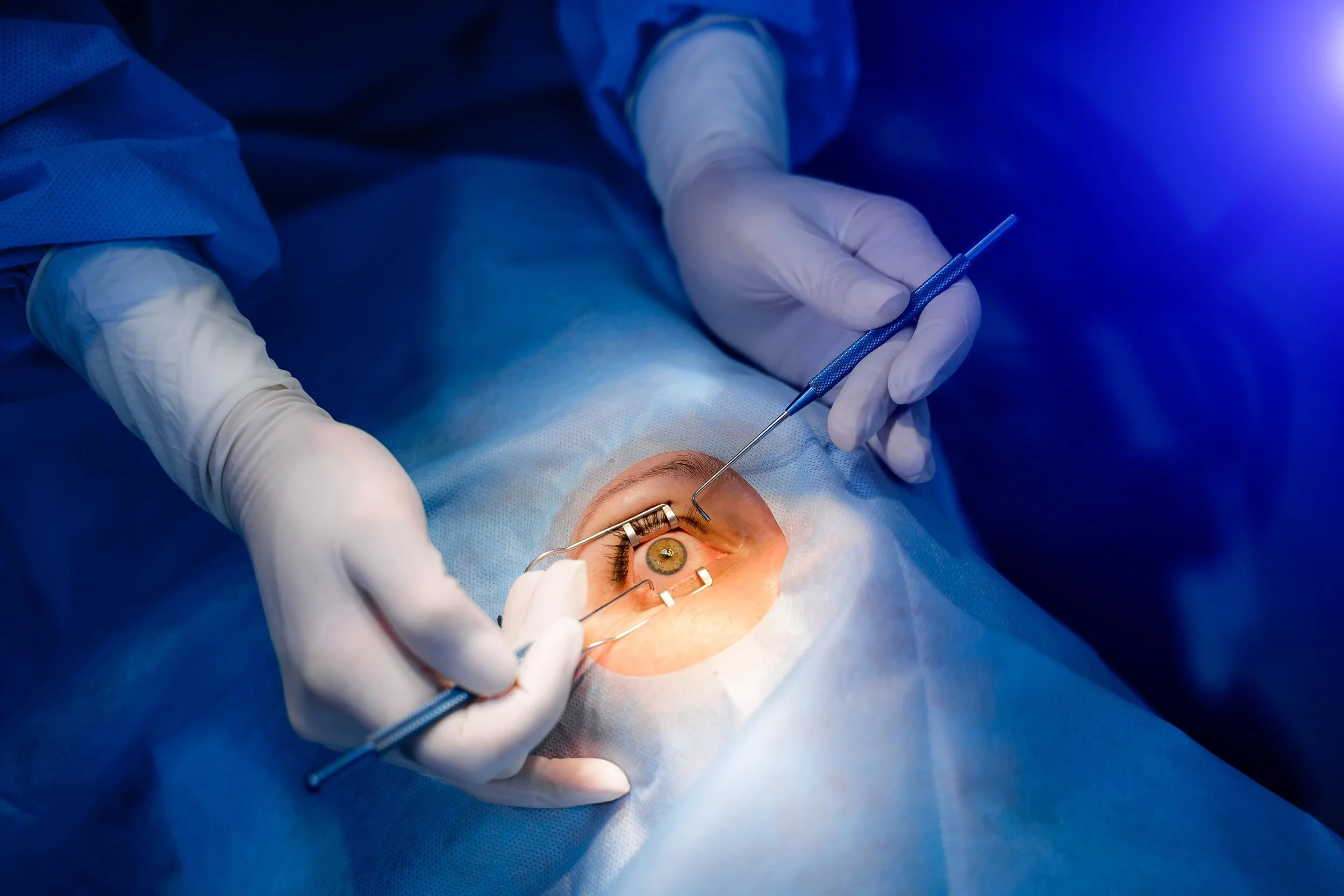
Ophthalmology is a branch of medicine specializing in the anatomy, function, and diseases of the eye. An MiSEPS physician is an ophthalmologist – a doctor of medicine or osteopathy – who specializes in eye health and vision care. A MiSEPS physician is trained to provide the full spectrum of eye care, from detecting and treating diseases of the eye to complex eye surgery and everything in between. Eye health can indicate other larger medical problem in rest of the body of a patient and that is why having a trained medical physician that is versed in the whole body and the eye is so important.
In addition to four years of medical school and one year of internship, every eye MD spends a minimum of three years in supervised ophthalmology residency training in all aspects of eye care, including surgical treatment of eye conditions and diseases. Often, a MiSEPS physician spends an additional one to two years training in a sub-specialty fellowship, such as glaucoma, retina, or pediatric ophthalmology.
Optometrist
Optometrists are involved primarily with refractive problems. Optometrists are specifically educated and trained by accredited optometry colleges in a four-year course, but do not attend medical school or go through residency training. In Michigan, they are licensed by the state to examine the eyes, determine the presence of refractive problems, and correct refractive problems with glasses or contact lenses.
Optician
Opticians are professionals who make, verify, deliver, and fit eyeglass frames and other specially fabricated optical devices and/or contact lenses according to prescription for the intended wearer. The optician’s functions include prescription analysis and interpretation; determination of lens that are best suited to the wearer’s needs; preparation and delivery of work orders for the grinding of lenses and the fabrication of eye wear; verification of the finished optical products; and adjustment, replacement, repair, and reproduction of previously prepared lenses, frames, and other specially fabricated optical devices.